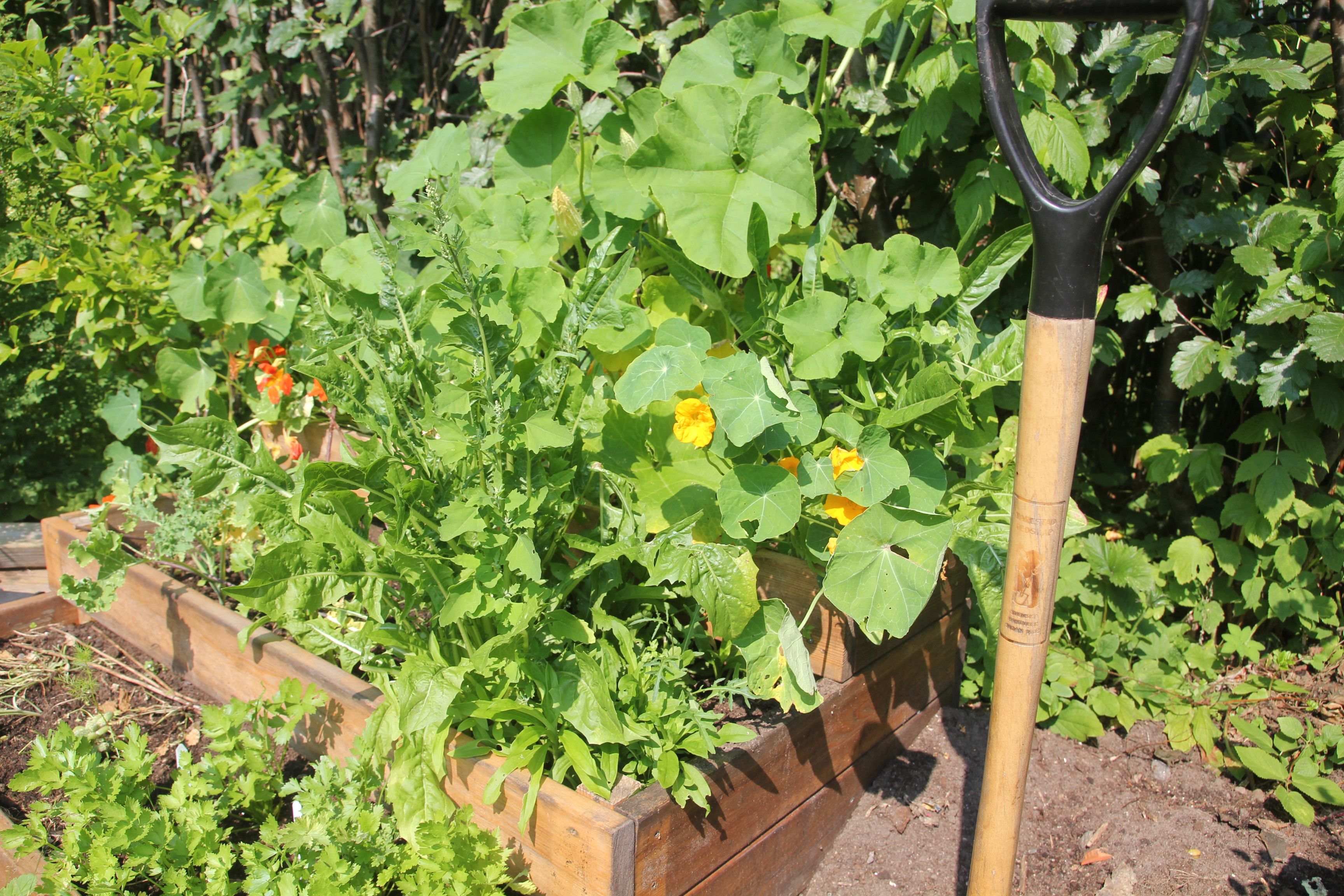
Soil Preparation Guide for Urban Gardens
Urban soils often carry contamination, compaction, and low organic matter. This guide covers testing methods, amendment strategies, and raised-bed construction tailored to Canadian city lots.
Read articleReference material on setting up urban farms and community garden plots in Canada — from soil preparation and crop rotation to seasonal planning across different growing zones.

Each article focuses on one practical aspect of urban food production relevant to Canadian conditions.
Urban soils often carry contamination, compaction, and low organic matter. This guide covers testing methods, amendment strategies, and raised-bed construction tailored to Canadian city lots.
Read article
Rotating plant families across beds reduces disease pressure and soil depletion. This article explains rotation principles adapted for compact urban plots in Canada's variable climate.
Read article
Canada spans six hardiness zones. This guide maps planting windows by zone, covering frost dates, indoor starting schedules, and succession planting for a longer harvest period.
Read articleCommunity gardens operate across most Canadian cities, from Halifax to Victoria. Municipal programs vary — some cities lease land, others offer raised-bed allotments through parks departments. The structure of a given garden depends largely on the municipality and the founding organization.
Short growing seasons and cold winters define the primary constraints. Hardiness zone maps published by Natural Resources Canada divide the country into zones 0 through 8b, with most population centres falling in zones 5 to 7. This directly influences what can be grown, when to start seeds indoors, and how to extend the season.
Soil quality varies significantly between urban plots. Long-established city lots may contain lead, petroleum residues, or salt from road treatment. Testing before planting is standard practice recommended by municipal health departments in cities including Toronto, Montreal, and Vancouver.
