Soil Preparation Guide for Urban Gardens
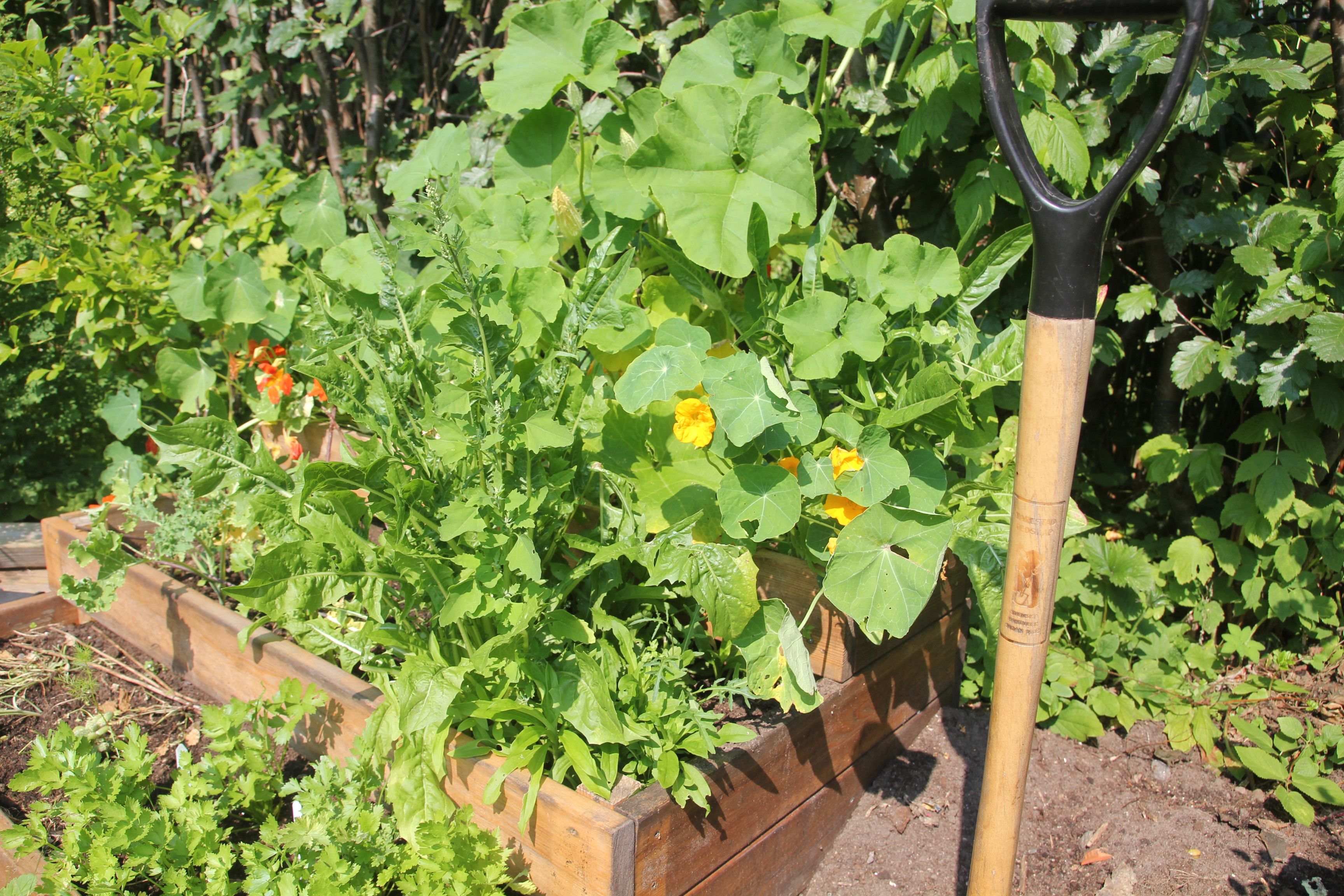
Urban garden soil rarely starts in good condition. City lots accumulate decades of disturbance — construction fill, lead paint residues near older buildings, road salt infiltration, and compaction from foot traffic and vehicle parking. Before planting anything for consumption, understanding what the soil actually contains is the necessary first step.
Testing before you plant
Soil testing in an urban context serves two purposes: nutrient analysis and contaminant screening. Standard nutrient tests, available through most provincial agricultural labs and several private services, measure pH, nitrogen, phosphorus, potassium, and organic matter. These inform what amendments are needed.
Contaminant testing is more specific. In older urban neighbourhoods — particularly those with housing built before the 1980s — lead from paint and leaded gasoline is the primary concern. The City of Toronto's public health department, for example, recommends testing soil near buildings over 40 years old before growing edible crops. Montreal and Vancouver have issued similar advisories.
Provincial and municipal public health departments maintain guidance on urban soil testing. Contact your local health unit for region-specific protocols and, in some cases, subsidized testing programs.
For a basic nutrient test, collect samples from multiple spots in the intended growing area, mix them together, and submit a composite sample. Most labs return results within one to two weeks. Results will include pH, which should fall between 6.0 and 7.0 for most vegetables, and nutrient levels with recommendations for amendment rates.
Common urban soil problems
Compaction
Compacted soil restricts root growth and reduces water infiltration. In garden plots established on former lawn or paved areas, compaction is common. Penetrometer readings above 300 psi indicate compaction severe enough to limit root development in most crops.
Breaking compaction involves either deep cultivation with a broadfork or, in severe cases, adding substantial organic matter to gradually improve soil structure. Cover cropping with deep-rooted species like daikon radish can help over one to two seasons.
Low organic matter
Urban soils typically contain lower organic matter than farmland, often below 2%. Most vegetable crops perform best in soil with 4–6% organic matter. Adding compost is the primary way to increase organic matter. Municipal compost programs in most Canadian cities provide compost at low cost or free to residents.
pH imbalance
Soil near concrete foundations or driveways can have elevated pH due to lime leaching from construction materials. If pH tests above 7.5, acidifying amendments like elemental sulfur can bring it into range. Application rates depend on current pH and soil texture — sandy soils need smaller quantities than clay soils to achieve the same pH shift.
Building a raised bed
Where in-ground soil is contaminated or otherwise unsuitable, raised beds filled with clean growing medium are the standard alternative. They also warm faster in spring, which extends the season in colder zones.
Frame materials
Untreated cedar is the most common frame material in Canadian community gardens. It resists rot without chemical treatment and has a typical service life of ten to fifteen years. Pressure-treated lumber marked ACQ (alkaline copper quaternary) is considered safe for food gardens by Health Canada, but many growers prefer to avoid it near edible crops as a precaution.
Galvanized corrugated steel has become more common in recent years. It is durable, inert once galvanized, and relatively affordable. Depth should be at least 30 cm (12 inches) for root vegetables; 20 cm (8 inches) works for shallow-rooted crops like lettuce.
Growing medium
The standard raised-bed mix used in many municipal community garden programs is roughly one-third compost, one-third topsoil, and one-third other materials such as coir or perlite for drainage. Ratios vary by source, but high compost content — at least 30% — is consistent across recommendations.
Sourcing certified or tested topsoil matters. Bulk topsoil sold commercially in Canada varies widely. Request a soil analysis certificate from the supplier before purchasing large quantities.
Amendment strategies for in-ground beds
If soil tests show acceptable contaminant levels, in-ground beds can be improved through annual amendment. Working in 5–10 cm of compost each fall, either dug in or left as a surface mulch for worms to incorporate, steadily raises organic matter over multiple seasons.
For pH correction, dolomitic limestone raises pH in acidic soils. Wood ash also raises pH and supplies potassium, but should be applied conservatively — no more than 1–2 kg per 10 square metres per year. Applying too much ash can push pH above 7.5 and create nutrient lockout for manganese and iron.
Soil management between seasons
Leaving soil bare over the winter allows frost heave, erosion, and organic matter loss. In Canadian climates, covering beds with mulch, straw, or a winter cover crop reduces these effects. Winter rye is a common choice in zones 5–7; it germinates in cool soil and can be turned under in spring.
Some community garden programs require members to leave beds mulched at the end of the season. Check your local garden's rules, as this is common practice in both Toronto's GrowTO initiative and Montreal's collective garden network.
Further reference
Agriculture and Agri-Food Canada publishes soil management guides for various growing regions. The Ontario Ministry of Agriculture, Food and Rural Affairs (OMAFRA) maintains publicly accessible resources on soil amendment rates. Both are useful starting points for region-specific questions.